Understanding Orthodontics
The diagnosis, prevention, and treatment of misaligned teeth and jaws are the main goals of the specialty field of orthodontics in dentistry. In addition to being more aesthetically pleasing, straight, perfectly aligned teeth are also simpler to maintain, which lowers the chance of cavities, gum disease, and other issues with the mouth. An essential component of complete dental care, orthodontic therapy can enhance your speech, bite, and general oral function. Patients of all ages can now have healthier, straighter smiles thanks to orthodontics’ more pleasant and discrete treatment options made possible by technological breakthroughs.
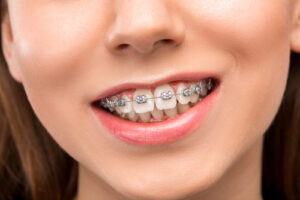
For the correction of complicated alignment problems, traditional braces are still a common option. They progressively shift teeth into the correct position using wires and metal braces. Modern braces are more comfortable, smaller, and come in tooth-colored ceramic for a less obvious appearance. Clear aligner systems provide an alternative for anyone who would rather have a more discrete approach. Both teens and adults will find these specially designed, detachable trays useful as they gradually move teeth and can be removed for eating, cleaning, and special events.
Overbites, underbites, crossbites, gaps, and crowded teeth are just a few of the many issues that orthodontics treats. If left untreated, these problems can lead to migraines, jaw pain, chewing difficulties, and excessive tooth wear. For children, early intervention is frequently advised in order to direct jaw development and make room for the appropriate eruption of permanent teeth. However, more individuals are opting for braces or aligners to enhance their smiles later in life, proving that it’s never too late to reap the benefits of orthodontic treatment.
The procedure usually starts with a comprehensive examination that evaluates jaw alignment and tooth location using digital scans, X-rays, and photos. The orthodontist develops a customized treatment plan based on the results. Wearing braces or aligners and going to routine checkups to track progress and make adjustments are part of the active phase of therapy. A retainer is used to preserve results and stop shifting after the teeth have shifted into their proper locations.
Orthodontic treatment improves long-term oral health in addition to appearance. Because properly aligned teeth are easier to brush and floss, there is a decreased chance of gum inflammation and plaque accumulation. Additionally, a balanced bite helps avoid temporomandibular joint (TMJ) issues and uneven tooth wear.
More than just a straighter smile, orthodontics improves function, comfort, and self-esteem. Working with a qualified orthodontist guarantees safe, efficient results and a healthy smile that lasts a lifetime, whether you are seeking treatment for your child or yourself.