Your Guide to Pediatric Dentistry
The specialty area of dentistry known as pediatric dentistry is devoted to treating the oral health requirements of newborns, kids, and teenagers. Preventing cavities, gum disease, and other oral health problems requires forming healthy dental habits early in childhood. In order to provide care for young patients, especially those with special needs, pediatric dentists undergo extensive training. They also prioritize making dental visits enjoyable and stress-free. Pediatric dentistry helps youngsters establish a favorable attitude toward dental health and creates the foundation for a lifetime of healthy smiles by combining early treatment, education, and preventive care.
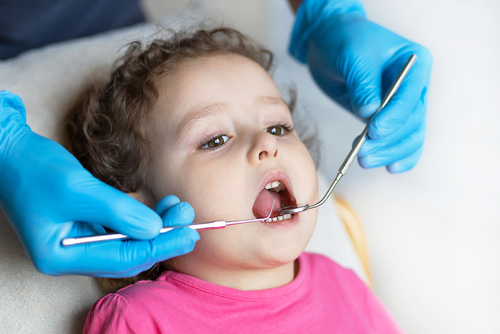
It is advised that a child see a dentist for the first time around the time of their first birthday or the emergence of their first tooth. Through these early visits, the dentist may keep an eye on the growth of the teeth, look for any anomalies, and advise parents on good brushing practices, diet, and bad behaviors like thumb-sucking or using a pacifier. Additionally, early dental checkups help kids feel at ease in the dental office, which later lessens their fear and anxiety.
The foundation of pediatric dentistry is preventive care. Frequent examinations and cleanings reduce the risk of cavities by keeping teeth clear of tartar and plaque. Dental sealants offer a protective covering over the molar grooves, which are where cavities are most likely to form, while fluoride treatments fortify tooth enamel and increase its resistance to decay. Children’s teeth can be kept healthy with these easy, painless procedures.
Common problems like tooth decay, one of the most common chronic illnesses in children, are also treated by pediatric dentists. Cavities are addressed as soon as they appear to avoid discomfort and additional harm. To maintain the tooth’s structure and functionality, restorative procedures like crowns or fillings could be suggested. If a baby tooth falls out too soon, space maintainers may be used to provide permanent teeth ample room to erupt appropriately.
Keeping an eye on teeth alignment and jaw development is another crucial function of childhood dentistry. Dentists can suggest orthodontic assessments at the appropriate time by seeing early indications of crowding, bite issues, or misalignment. Early intervention, also known as interceptive orthodontics, can direct the development of the jaw and facilitate and improve the efficacy of subsequent orthodontic therapy.
Pediatric dentists are prepared to treat dental emergencies, including oral traumas, fractured teeth, and knocked-out teeth. Their kind demeanor makes kids feel protected and taken care of during what may be a terrifying situation. They also work closely with parents to teach kids the value of proper oral hygiene, promote healthy eating habits, and establish routines for at-home care.
The focus on giving kids a positive experience is one of the main advantages of pediatric dentistry. A caring approach, soft communication, and kid-friendly workspaces all contribute to lowering anxiety and fostering trust. As they get older, this increases the likelihood that kids will cooperate during appointments and continue to seek dental treatment.
There is a strong correlation between general health and well-being and dental health. Parents who prioritize pediatric dentistry provide their kids the best chance for a confident smile, healthy mouth, and appropriate speech development. In addition to preventing issues, regular dental care from a young age instills lasting habits that will help kids well into adulthood.
More than simply teeth, pediatric dentistry aims to prevent illness, promote healthy behaviors, and provide every kid the chance to grow up with a powerful, radiant smile. Frequent pediatric dental appointments help youngsters feel at ease and confident each time they sit in the dental chair and provide the groundwork for long-term oral health.