Everything You Need to Know About Teeth Extractions
The diagnosis and treatment of disorders affecting the mouth, jaws, and facial structures are the primary goals of oral surgery, a specialty area of dentistry. Although tooth extractions are frequently thought of as oral surgery, the term actually refers to a broad spectrum of operations intended to improve function, restore oral health, and improve quality of life. After completing dentistry school, oral surgeons get substantial training that equips them to carefully and precisely execute intricate procedures. In order to maintain the health of your mouth and the functionality of your smile, oral surgery is essential, from treating impacted wisdom teeth to reconstructive jaw surgery.
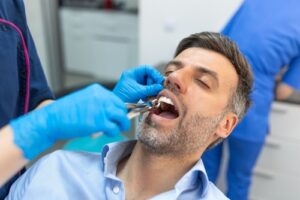
Wisdom tooth extractions are among the most frequent reasons people see an oral surgeon. These third molars frequently become impacted, which can cause pain, crowding, and infection since they don’t fully erupt or grow in the proper place. In order to avoid issues and support long-term dental health, oral surgeons carefully remove these teeth. In addition to performing extractions, oral surgeons also remove cysts or tumors, conduct biopsies for questionable growths, and treat tooth infections that migrate to the bone. Since untreated oral disorders can result in systemic issues, these procedures not only help protect overall health but also alleviate discomfort and sickness.
Another important component of oral surgery is dental implants. Implants offer a long-term substitute for missing teeth brought on by decay, trauma, or illness. To provide a solid base for a crown, oral surgeons carefully insert a titanium post into the mandible, where it gradually fuses with the bone. Patients can confidently speak, chew, and smile after this procedure restores the look and feel of a natural tooth. If the bone requires augmentation to effectively support the implant, jawbone grafting treatments may be carried out beforehand.
Orthognathic surgery, sometimes referred to as corrective jaw surgery, is used to treat issues with jaw alignment that orthodontics alone is unable to resolve. Patients may have trouble speaking, breathing, or chewing if they have significant overbites, underbites, or asymmetrical jaws. Oral surgeons can enhance function and facial equilibrium by realigning the jaws, which frequently improves a patient’s quality of life. If less invasive therapies for sleep apnea are ineffective, this kind of surgery might also be suggested.
Additionally, oral surgeons are essential in the treatment of trauma, fixing soft tissue injuries, broken teeth, and face fractures. Their knowledge guarantees the maximum restoration of the face’s appearance and function. Patients with congenital deformities like cleft lip or palate may require reconstructive surgeries to restore their speech, looks, and self-esteem.
Depending on the intricacy of the case and the patient’s comfort level, the majority of oral surgical treatments are carried out under local anesthesia, sedation, or general anesthesia. Treatments are now quicker, safer, less invasive, and need less recovery time thanks to developments in technology and surgical methods. In order to encourage recovery and lower the chance of problems like infection or dry socket, patients are typically given thorough aftercare instructions.
To track recovery and guarantee long-term success, it’s critical to keep follow-up consultations with the general dentist and oral surgeon. Recovery and general dental health can be further supported by maintaining proper oral hygiene, eating a balanced diet, and abstaining from bad habits like smoking.
More than a collection of operations, oral surgery is an essential component of complete dental care. Oral surgeons use cutting-edge training and contemporary technology to provide safe and efficient treatment, whether you need a tooth extracted, a dental implant inserted, or a more involved corrective procedure. A visit with an oral surgeon may be the first step in regaining comfort, function, and self-confidence in your smile if you are dealing with pain, swelling, or functional issues with your teeth or jaws.