What to Know About Dental Implants
Dental implants, which provide a long-lasting and aesthetically pleasing replacement for lost teeth, have completely transformed contemporary dentistry. Dental implants are surgically inserted into the jawbone, where they gradually fuse with the bone to form a solid and sturdy foundation, in contrast to dentures or bridges that rest on the gums or depend on neighboring teeth. Because of a process called osseointegration, implants can perform similarly to natural tooth roots, offering increased comfort, stability, and durability. Dental implants can confidently restore your ability to chew, speak, and smile, regardless of the extent of your tooth loss? one, multiple, or an entire arch.
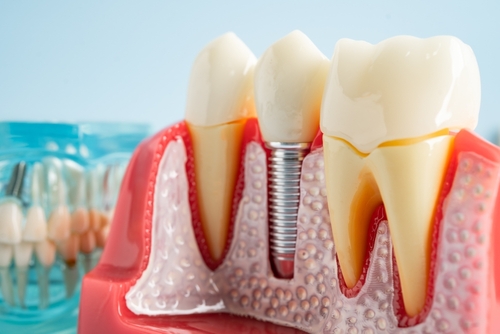
Usually, the implant procedure starts with a thorough examination during which your oral surgeon or dentist assesses your medical history, bone density, and dental health. The exact location of the implant is planned using digital imaging and scans to ensure maximum functionality and beauty. Bone grafting techniques could be suggested to reinforce the jawbone if it is not dense enough to support an implant. The bone can firmly fuse with the implant throughout the many months that follow the surgical placement of the implant post.
An abutment is fastened to the implant following osseointegration. The custom-made dental crown, which is constructed to match the size, shape, and color of your original teeth, is supported by this tiny connecting piece. The overall effect is a repair that feels very natural and fits in perfectly with your smile. Implant-supported bridges or dentures, which offer more stability than conventional removable solutions, might be utilized for patients who are missing several teeth.
The capacity of dental implants to maintain the health of the jawbone is one of their biggest advantages. Because there is no longer any stimulation after a tooth loss, the underlying bone gradually deteriorates. By simulating the function of natural roots, implants stop this bone loss, preserving your jaw’s structure and avoiding face drooping that can happen when teeth fall out. Because of this, implants are an essential investment in long-term oral health as well as a cosmetic option.
With the right maintenance, dental implants should survive for decades. Maintaining proper oral hygiene is crucial; consistent brushing, flossing, and professional cleanings lower the risk of infection and maintain the health of the surrounding gum tissue. Implants preserve more of your natural tooth structure than traditional bridges because they don’t require the adjoining teeth to be altered.
Dental implants are among the most dependable restorative procedures available due to their very high success rate, which sometimes surpasses 95%. According to the majority of patients, implants feel and work just like their original teeth, enabling them to indulge in their favorite foods without any limitations. Technological developments like computer-guided implant insertion have improved the procedure’s accuracy, comfort, and predictability.
Despite the lengthy and multi-step procedure, dental implants are a great option for anyone looking for a long-term remedy for tooth loss because of their long-term advantages. They offer unparalleled stability, safeguard your dental health, and give you a stunning, self-assured smile that will last a lifetime.
The first step in contemplating dental implants is to speak with a licensed oral surgeon or dentist. They will determine whether you are a good candidate for therapy and develop a strategy specifically for you. More than just a tooth replacement, dental implants restore your quality of life by returning the function, look, and self-assurance you have earned.